Resources

Practical insights, example applications, and technical knowledge to help you better understand automation, robotics, and industrial systems.

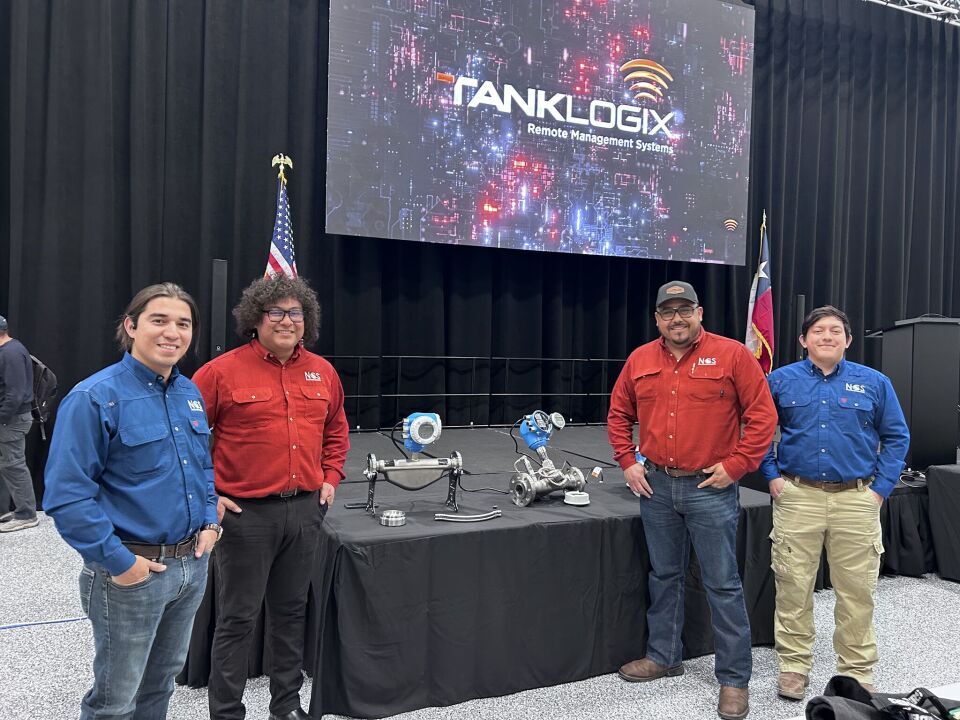
Trainings & Certifications

Our team stays current with industry standards, platforms, and best practices through continuous training and manufacturer supported programs.
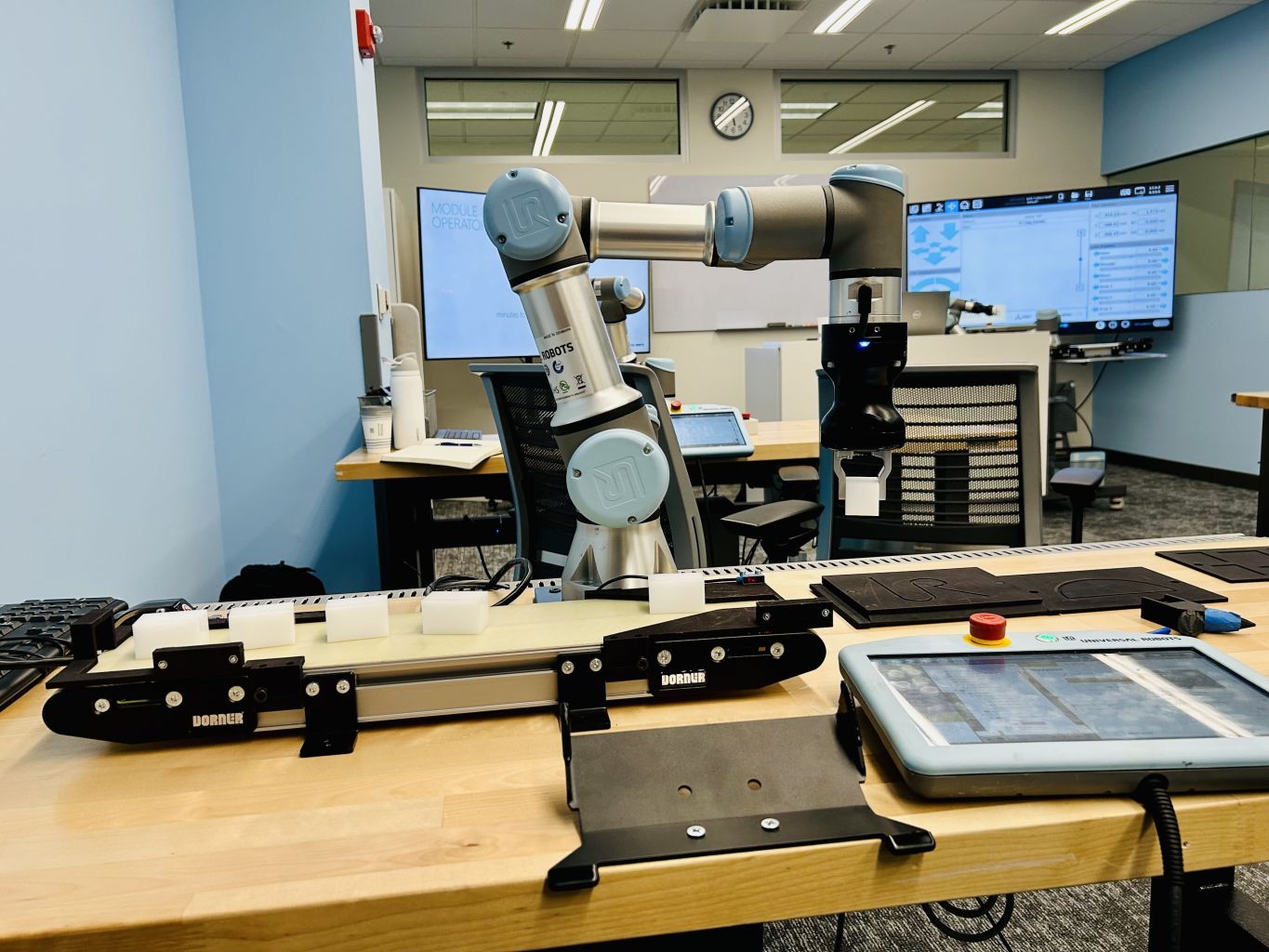
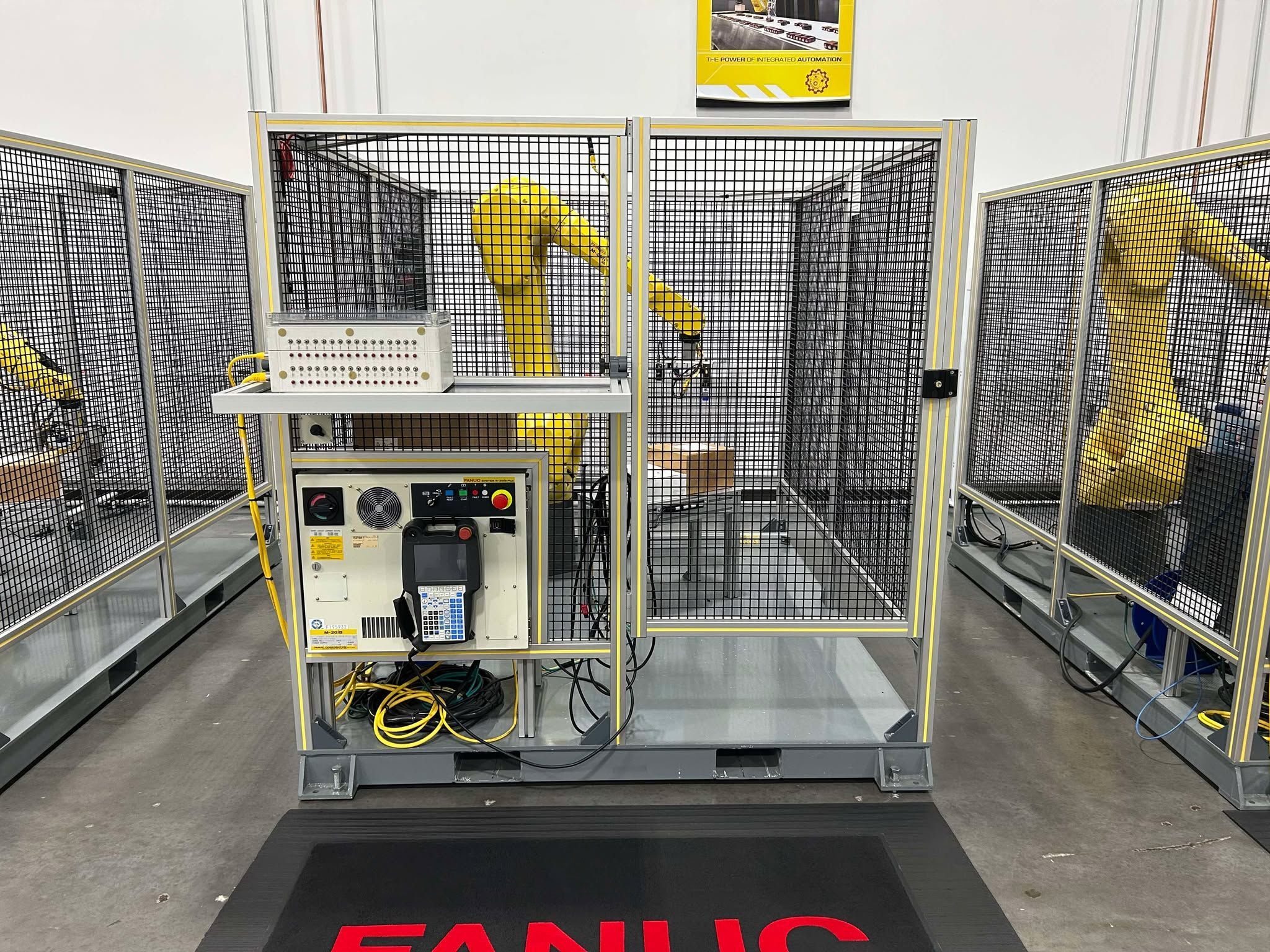
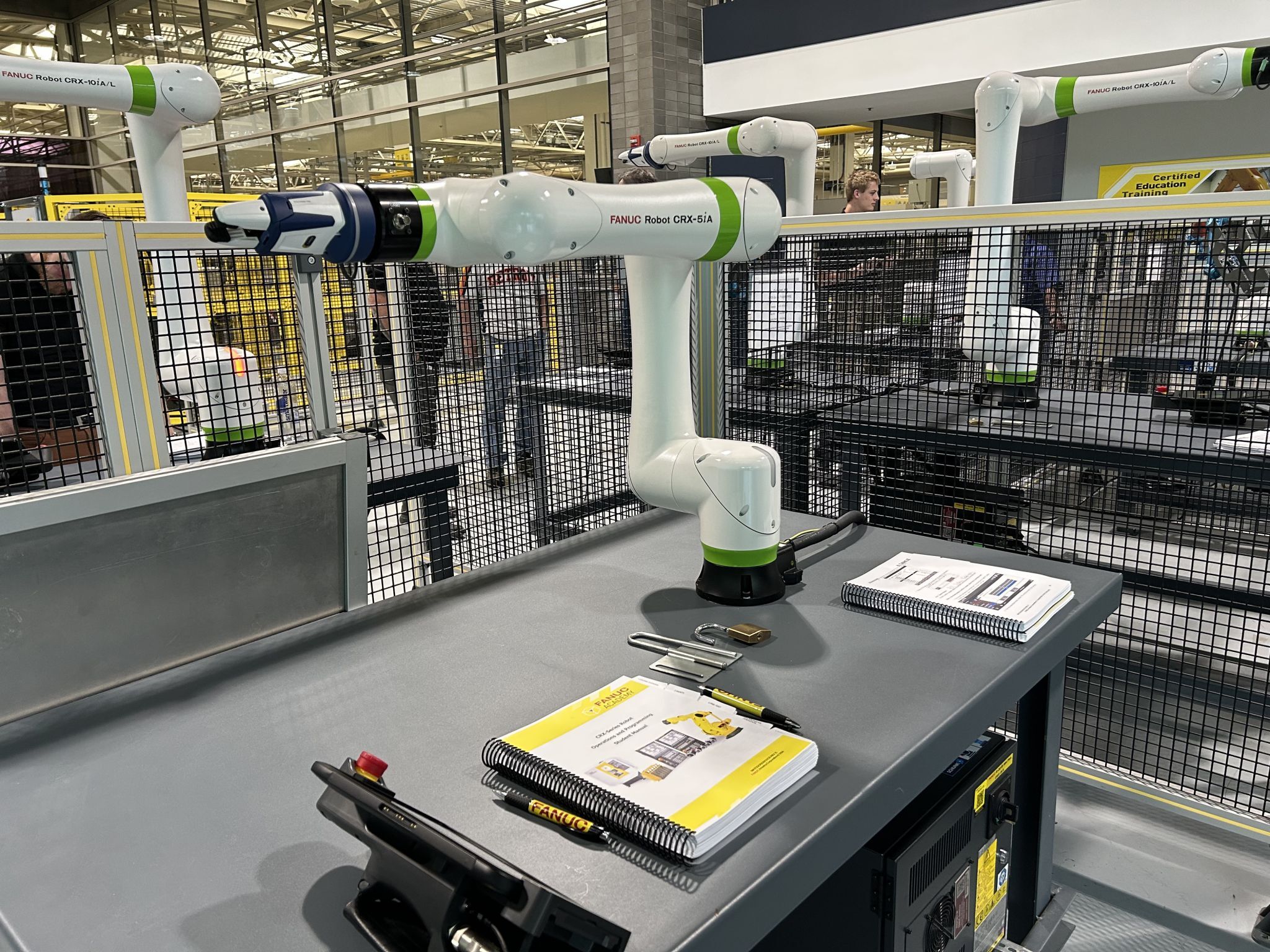
Robotics Training

Hands on training on collaborative and industrial robotic platforms, covering programming, safety, and integration best practices.
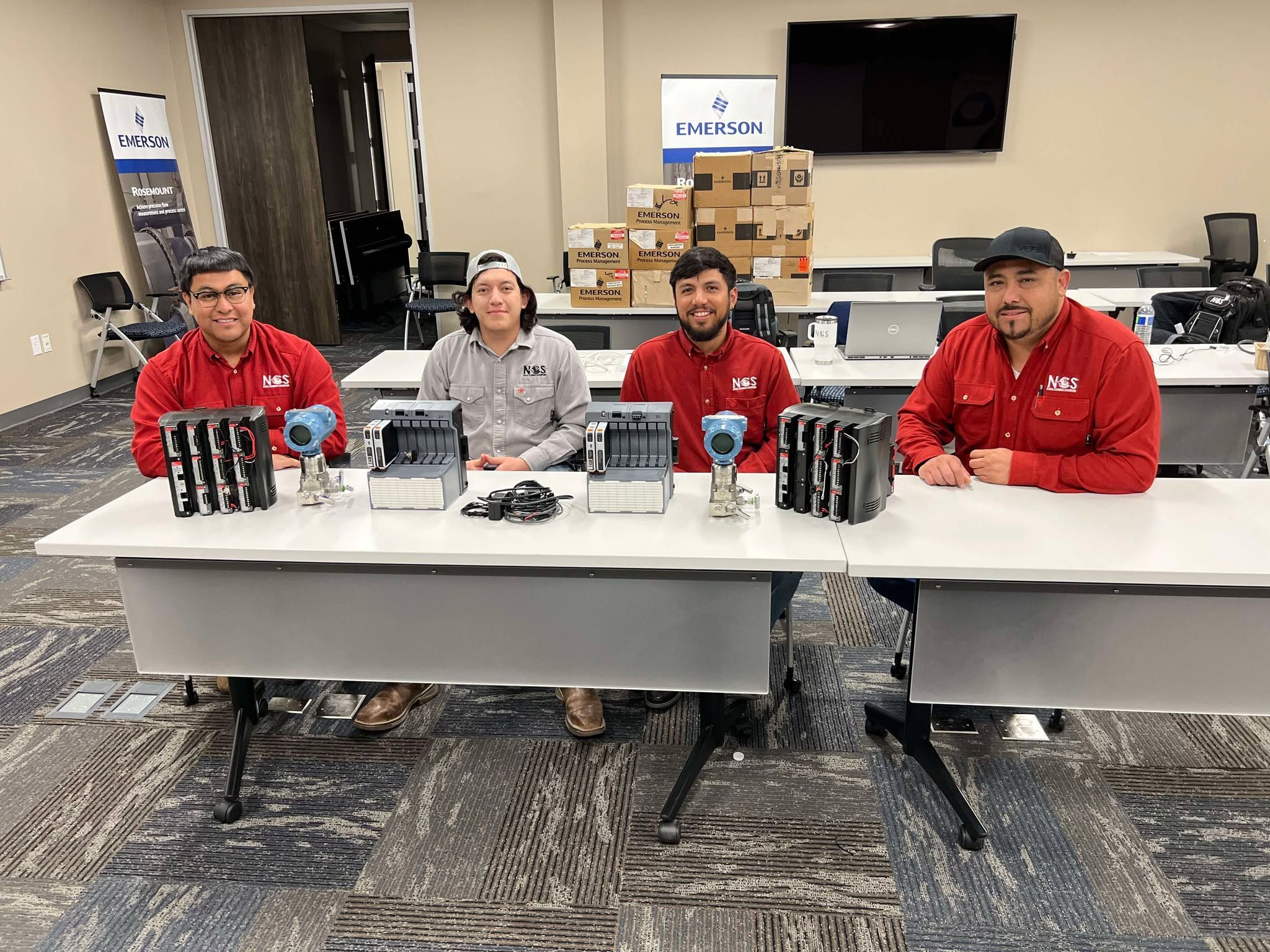
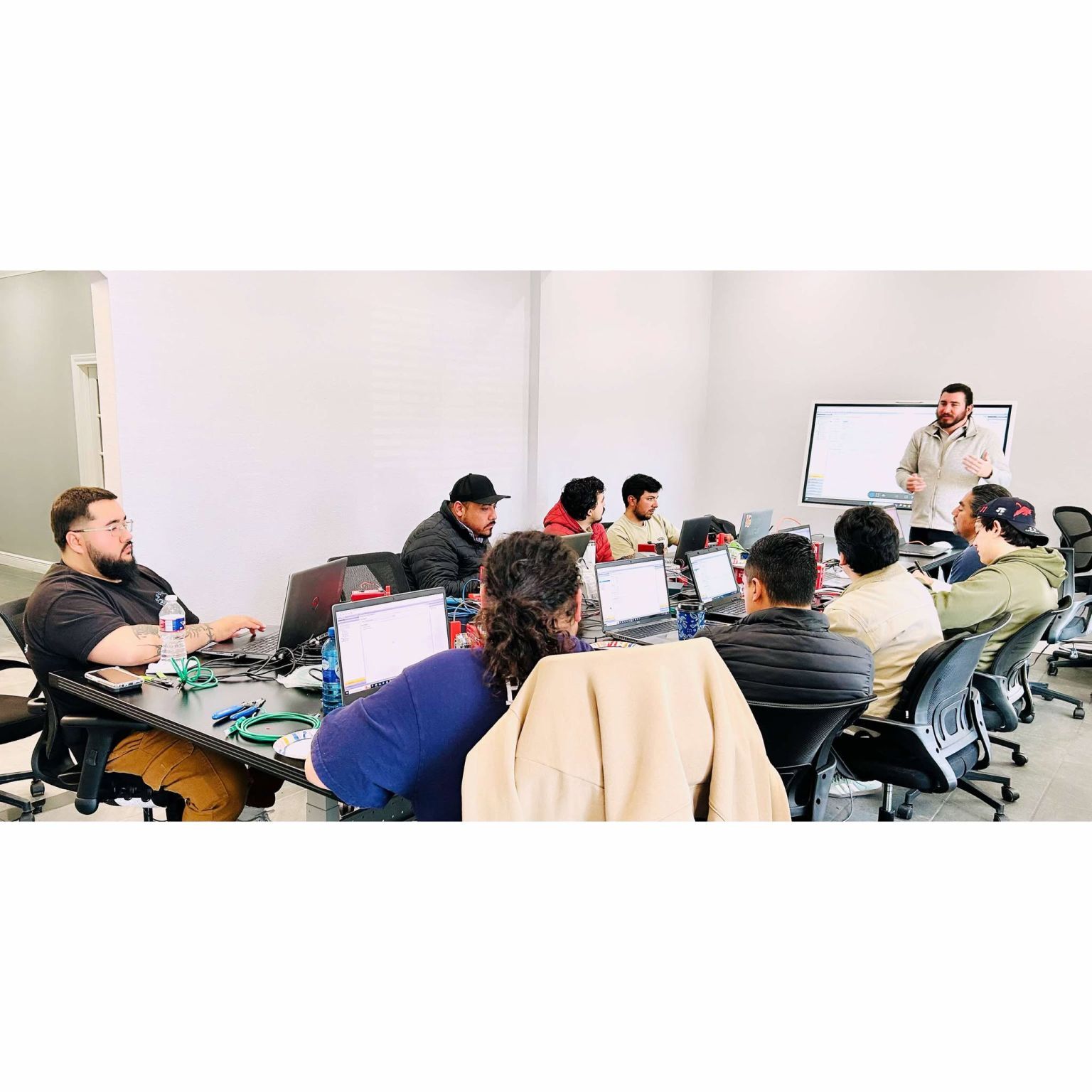
Controls & PLC Platforms

Formal training on PLC programming, system architecture, diagnostics, and industrial communication protocols.

Safety & Standards

Training aligned with applicable safety standards, risk assessment practices, and safe system design methodologies.

Use Cases
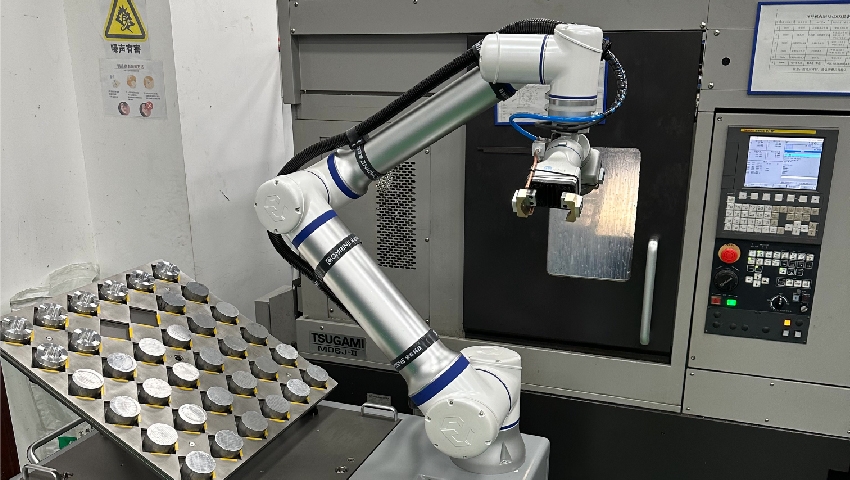
Machine Tending
Machine Tending

Automating repetitive loading and unloading tasks to improve consistency, safety, and throughput.
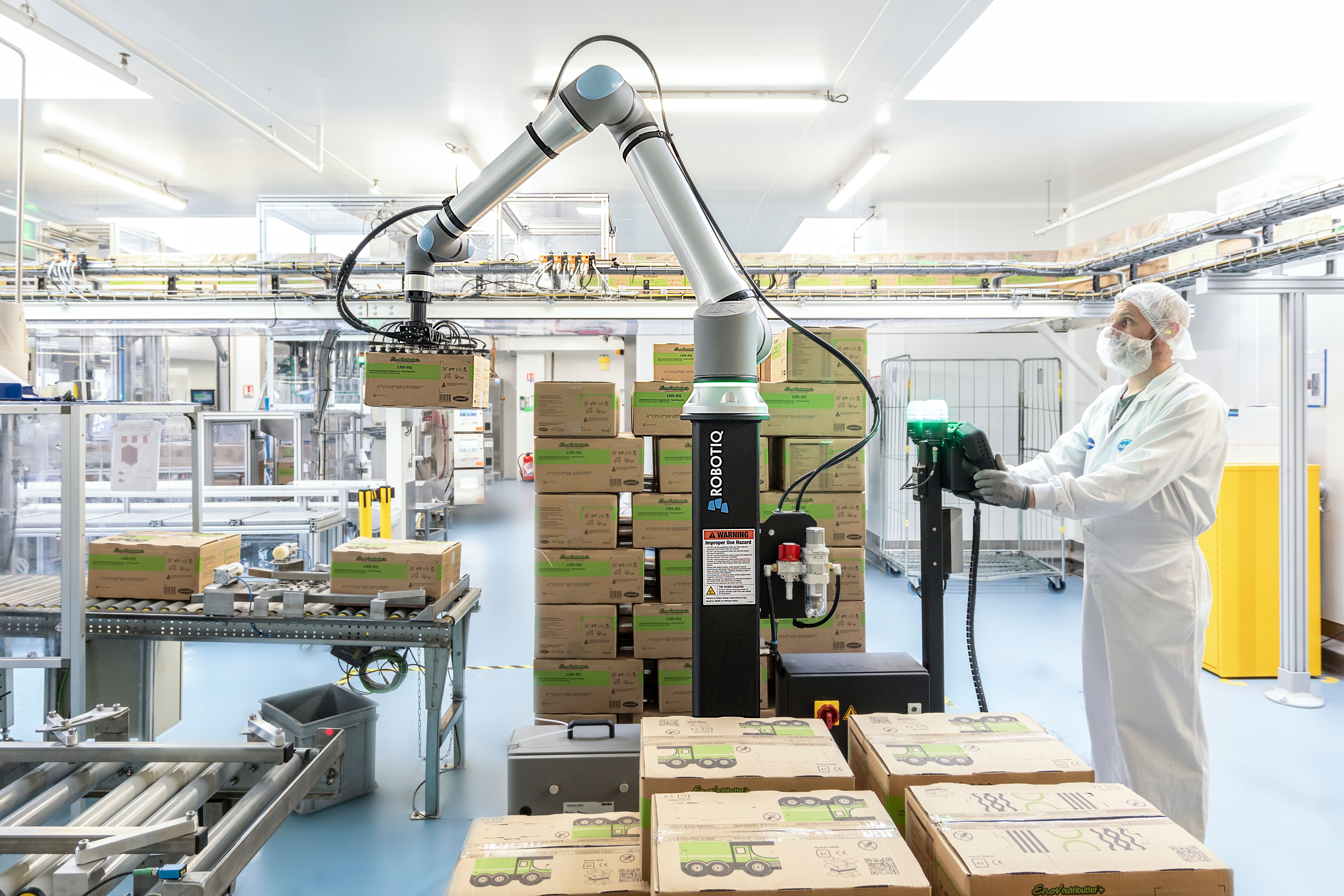
Collaborative Palletizing

Flexible palletizing solutions designed for changing production demands and limited floor space.
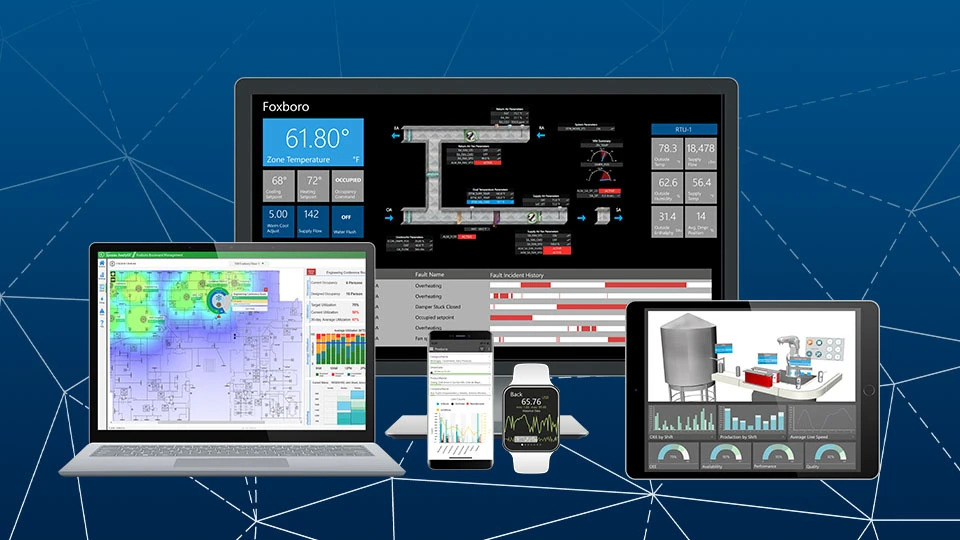
Process Monitoring
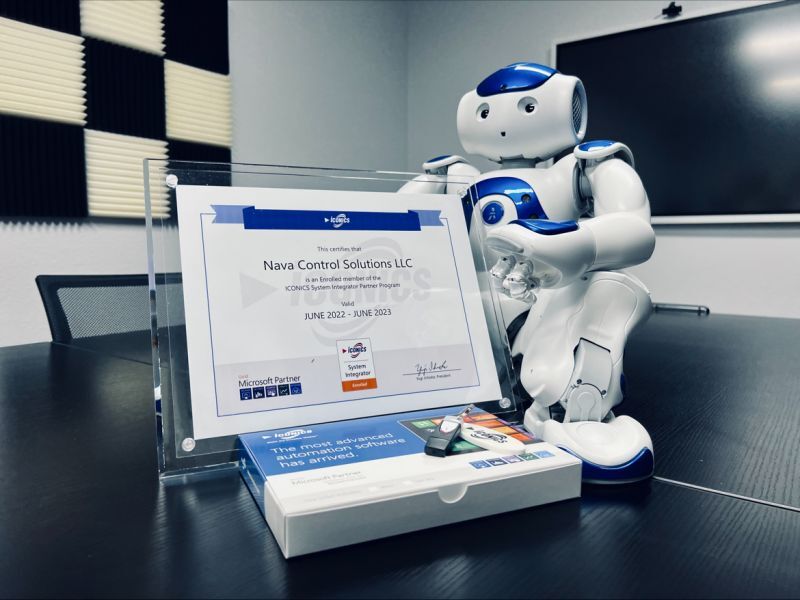
Iconics SCADA

Advanced SCADA solutions that connect equipment, data, and operators for efficient and reliable plant supervision.

Technical Insights

When does automation make sense?

Key factors to evaluate before investing in automation, including volume, variability, and ROI.

Click to learn more >>

PLC vs PC control

Understanding where each control architecture fits best in industrial applications.

Click to learn more >>

Common integration mistakes

Lessons learned from the field and how to avoid costly automation pitfalls.

Click to learn more >>

×

FAQs

Timelines vary based on scope and complexity, but most projects follow a phased approach from design to commissioning.

Yes. Many systems are designed to scale over time as production needs evolve.

We primarily support industrial and manufacturing environments, including oil and gas, packaging, machining, and general manufacturing. Our approach is application driven, allowing us to adapt solutions across multiple industries.

ROI depends on factors such as labor costs, cycle time improvements, and uptime gains. Many automation projects achieve payback within 12 to 24 months when properly scoped and aligned with production goals.

Automation is often used to support operators rather than replace them. Many projects focus on reallocating skilled personnel to higher value tasks while improving safety, consistency, and overall efficiency.

Installations are typically planned to minimize production downtime. Whenever possible, systems are built and tested offline, then installed during scheduled maintenance windows or planned shutdowns.

Yes. Most automation solutions are designed to integrate with existing machines, PLCs, and plant networks. Careful evaluation during the design phase ensures compatibility and long term reliability.

Post commissioning support may include operator training, documentation, remote assistance, and on site troubleshooting. Ongoing support ensures the system continues to perform as intended over its lifecycle.
Nava Control Solutions
LinkedIn Midland, TX.